Key Takeaways
- XRP Ledger developers defended an emergency software patch addressing a critical vulnerability that could have allowed attackers to create spendable XRP beyond the network’s 100 billion token supply limit.
- The fix bypassed the network’s conventional amendment process, reigniting debate over emergency intervention, validator coordination and decentralized governance.
- Developers reported no evidence of exploitation on public networks, but the incident underscores the importance of protocol security and transparent disclosure for institutional confidence.
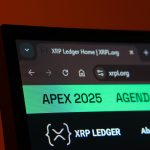
The XRP Ledger’s response to a critical software vulnerability has put blockchain security and decentralized governance under scrutiny. Developers defended an emergency patch designed to prevent unauthorized XRP creation, arguing that the risk justified bypassing the network’s standard amendment process—a decision with implications for investors assessing the resilience of digital-asset infrastructure.
Inside the Vulnerability That Threatened XRP’s Supply Model
The reported flaw involved an integer overflow in the XRP Ledger’s payment-processing logic, potentially allowing a specially constructed transaction to generate spendable XRP beyond the amount legitimately transferred. The vulnerability was particularly significant because XRP has a maximum supply of 100 billion tokens, a core feature of its economic design.
If exploited, such a weakness could have undermined confidence in the supply limit, disrupted trading systems and created uncertainty over the validity of balances recorded by affected software. For exchanges and institutional custodians, the consequences could extend to transaction processing, reconciliation and risk controls.
According to the reported timeline, the vulnerability was disclosed through the network’s bug bounty program on September 22, 2026, and the emergency fix followed on September 25. Developers said they had found no evidence that the flaw had been exploited on public networks. That distinction matters: a critical vulnerability can pose substantial potential risk without demonstrating that unauthorized issuance actually occurred.
Why the Emergency Patch Bypassed Standard Governance
The XRP Ledger normally uses an amendment mechanism under which protocol changes require support from more than 80% of trusted validators for a continuous two-week period. That process is designed to coordinate upgrades while giving network participants time to evaluate proposed changes.
Developers argued that following the usual timetable could have prolonged exposure to the vulnerability. The emergency release instead allowed operators running the updated software to apply the correction without waiting for the full amendment process.
The decision highlights a recurring trade-off across blockchain networks. Rapid intervention can limit the window for exploitation, but bypassing established procedures raises questions about who determines when emergency action is warranted and what safeguards prevent exceptional measures from becoming routine.
What It Means for Institutional Risk Assessment
The incident illustrates why digital-asset risk cannot be evaluated solely through token prices, trading volumes or market capitalization. Protocol vulnerabilities can threaten the integrity of balances and settlement systems even when markets show no immediate disruption.
For institutional participants, the relevant indicators include the speed of patch adoption, independent security reviews, validator coordination and the clarity of incident disclosures. A rapid response may demonstrate operational resilience, while governance controversy can create a separate concern about decision-making authority.
Security and Governance Will Shape XRP’s Outlook
The immediate priority is ensuring that network operators adopt the fix and that further review confirms the vulnerability has been addressed comprehensively. Continued transparency around the incident and the rationale for bypassing standard governance will also influence confidence. For XRP, preserving the credibility of its 100 billion supply limit depends not only on correcting individual bugs, but on demonstrating that emergency security measures remain effective, accountable and exceptional.
Comparison, examination, and analysis between investment houses
Leave your details, and an expert from our team will get back to you as soon as possible