Key Points
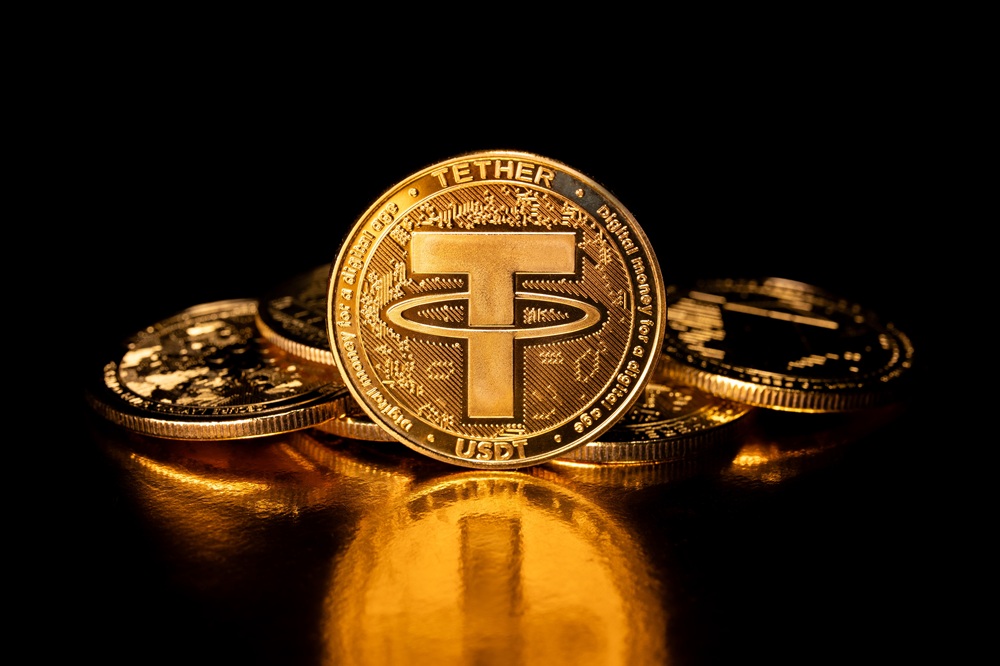
- Cross-border payments platform Conduit Technology has sued Tether, alleging the stablecoin issuer froze approximately $2.76 million in USDt belonging to the company.
- Conduit alleges the funds were frozen in September 2025 without sufficient explanation and that Tether has continued to restrict access despite repeated requests.
- The lawsuit links the freeze to a Brazilian federal police investigation involving financial intermediaries that Conduit says Tether associated with its treasury wallet.
Cross-border payments platform Conduit Technology has filed a lawsuit against stablecoin issuer Tether, alleging that Tether froze approximately $2.76 million in USDt without providing sufficient justification and has continued to deny the company access to the funds.
According to a complaint filed Monday in the US District Court for the Southern District of New York, Conduit said it began holding USDt as part of its digital treasury operations in May 2025. The company alleges that Tether subsequently froze the entire balance on Sept. 24, 2025.
Conduit claims the freeze materially affected its business and argues that Tether had no legal entitlement to the funds.
Conduit Challenges Tether Freeze
In its complaint, Conduit alleges that the frozen USDt belongs exclusively to the company and that Tether has no ownership claim over the assets.
The company said it repeatedly contacted Tether seeking access to the funds but that the freeze remained in place as of Monday, when the lawsuit was filed.
The complaint characterizes the action as an unexplained restriction on Conduit’s treasury assets. However, the allegations have not been established in court, and Tether had not publicly responded to the lawsuit at the time of the report.
The dispute highlights the ability of centralized stablecoin issuers to restrict or freeze tokens held at specific blockchain addresses, a feature that distinguishes centrally issued stablecoins from many decentralized digital assets.
Brazilian Investigation Cited in Lawsuit
According to Conduit’s complaint, the freeze was connected to a Brazilian federal police investigation that began in 2024.
The investigation involved financial intermediary Bull Intermediação de Negócios and Onix. Conduit alleges that Tether independently identified its treasury wallet as being connected to those entities using its own criteria and subsequently froze the USDt.
Conduit disputes the connection and argues that the company was not legally entitled to have its funds frozen based on that association.
The lawsuit does not establish whether the Brazilian investigation ultimately determined that Conduit’s funds were connected to illicit activity. It instead presents Conduit’s allegations regarding the circumstances that led to the freeze.
Broader Questions Over Stablecoin Controls
The case comes amid other disputes involving Tether’s ability to freeze USDt.
Approximately one month earlier, two Thai nationals sued Tether over the alleged freezing of $42.4 million in USDt. That case involved funds that were allegedly connected to a larger $61 million pig-butchering investigation in the United States.
In that case, the plaintiffs alleged that Tether froze the assets following an informal request from US Homeland Security Investigations. A US district court had separately issued a seizure warrant for the USDt in February.
The cases illustrate the increasingly important role of stablecoin issuers in responding to law-enforcement investigations. Because issuers such as Tether maintain control over the tokens they create, they can take actions that restrict the movement of specific holdings when responding to regulatory or law-enforcement requests.
Institutional Treasury Use Faces New Considerations
Conduit’s case also highlights a potential consideration for companies using stablecoins as part of corporate treasury operations.
Stablecoins can provide businesses with a digital mechanism for holding and transferring dollar-denominated value across blockchain networks. However, the ability of centralized issuers to freeze tokens introduces a counterparty and compliance consideration that differs from simply holding assets in a self-custodied cryptocurrency wallet.
For businesses operating across multiple jurisdictions, restrictions imposed on a treasury wallet can potentially affect liquidity and payment operations even when the business disputes the basis for the action.
The Conduit lawsuit could therefore draw attention to how stablecoin issuers determine when wallets are sufficiently connected to investigations to justify freezing funds.
Outlook
Conduit’s lawsuit puts the balance between stablecoin issuer controls and corporate ownership rights under renewed scrutiny. The company is seeking access to approximately $2.76 million in USDt that it alleges was frozen without adequate justification.
The case remains an allegation at this stage, and the court will ultimately determine the legal issues raised by Conduit. For institutional stablecoin users, however, the dispute highlights an important operational consideration: centralized digital dollars can provide payment and treasury efficiency while also remaining subject to issuer-level compliance controls and asset freezes.
Comparison, examination, and analysis between investment houses
Leave your details, and an expert from our team will get back to you as soon as possible